Coffee
Humble beginnings
Move to BLR
It all began when I moved to Bangalore for my first job. Our office had a Morphy Richards coffee machine, an unholy contraption that had exactly one job: force hot water through ground coffee. It served 1 purpose to keep us caffeinated and did it successfully.
This was my first real encounter with black coffee. I remember thinking, “Who in their right mind drinks this willingly? And enjoys it?” Initially, I drowned it in milk and sugar to mask the bitterness. Since it is an acquired taste, gradually I reduced these impurities to make my palette accustomed to the black coffee taste.
Around this time, Indiranagar was becoming a hub for specialty coffee, and since it was near my office, we occasionally ventured out for a proper cup in the evening. Some of these cafes, like Little Black Choux (now Truebrew), Araku, and Something’s Brewing, are still around. I started ordering Americanos instead of cappuccinos and lattes, and that’s when I realized: black coffee could actually taste good. Compared to the swill from our office machine, it was a revelation.
The Lockdown
Then came the COVID lockdown. No office machine, no cafe visits. Desperate times called for desperate measures, so I ordered a French press. Unlike the pressure-driven machine at work, the French press works by full immersion, producing a richer, more textured brew. I got into the habit of brewing coffee overnight and enjoying it as cold brew in the morning. Those were good times.
After six months, I upgraded to a Bialetti Brikka moka pot, thanks to a friend’s recommendation. There are countless moka pot brands, but Bialetti is the gold standard. Among their models, the Brikka stands out because it has an extra component that creates a pseudo-crema, mimicking espresso’s velvety top layer. Over time, I started adding less and less water to my 4-cup espresso shot, until one day, I realized I preferred drinking straight espresso.
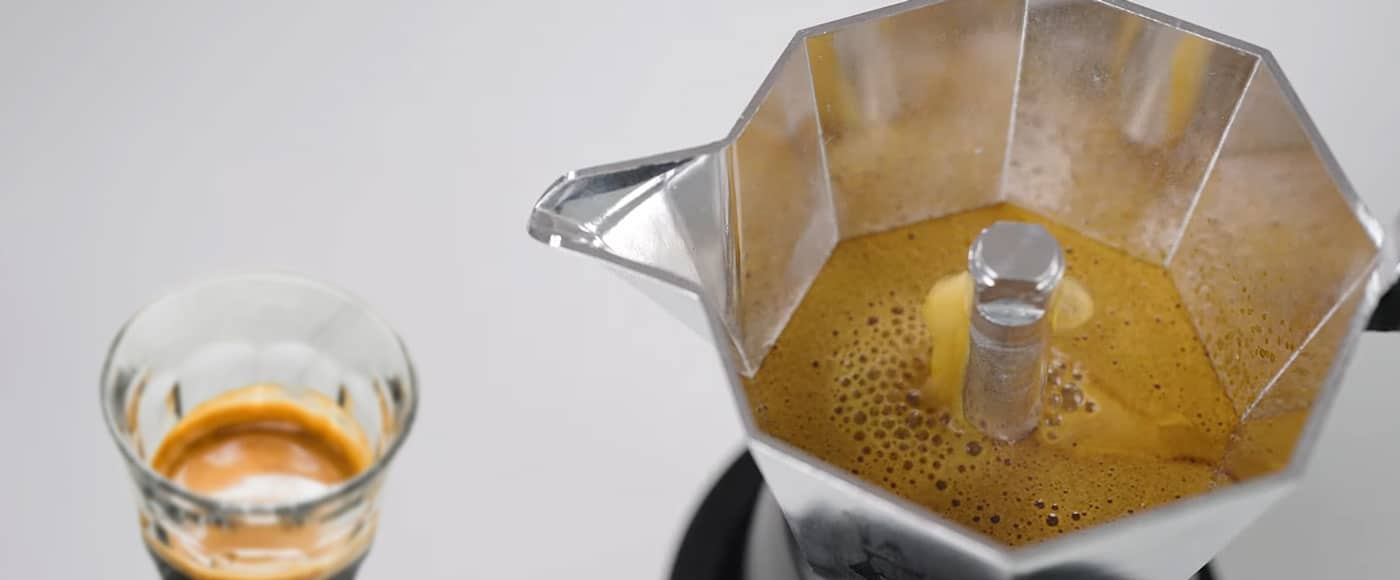
This was also when I got hooked on Araku’s signature beans, which became my go-to because they paired beautifully with the moka pot. I used to get them ground at the cafe itself, until I noticed something troubling.
The Grinder Epiphany
I realized that pre-ground coffee, especially the last bits, became stale quickly. To preserve freshness, I bought a Fellow Atmos vacuum canister. That same year, during a Secret Santa, I was gifted a coffee blade grinder. While the blade grinder was not absolutely best at grinding uniformly, it did good enough for moka. After usage of more than 1 year, my moka pot’s handle broke off. After that it was 1 mistake away from a disaster.
Espresso Obsession & The Search for the Perfect Shot
In mid-2023, I decided to go all-in and bought a Flair Pro 2 manual espresso machine. It was a beautiful, hands-on experience, until I encountered a new problem. My blade grinder’s inconsistent grind size meant that pulling a decent shot was a coin toss. Either the coffee clogged the filter, or the water shot through like a bullet train.
It was clear: I needed a better grinder. Enter the Timemore C3 manual hand grinder. This single purchase elevated my coffee game like nothing else. I also added a WDT tool (a fancy coffee stirrer) to ensure even distribution and break up clumps in the coffee bed.
I enjoyed my espresso honeymoon for a while but then, another challenge emerged. The Flair Pro 2 struggled with light roasts: they’d come out tasting sour and over-extracted. And I really wanted to experiment with some lighter roast beans.
The Purrover begins 😼
Around this time, I started frequenting a cafe that swore by its pourovers complemented with their in-house roasted beans. They encouraged people to explore the nuanced flavors of light roasts brewed through a Kalita dripper. Unlike espresso, which vanishes in a few sips, a well-made pourover lets you savor the experience, revealing subtle notes and aromas that an espresso shot bulldozes over.
After a month of borrowing a V60 setup from a friend, I caved and bought a Hario V60 for myself. This marked the beginning of my deep dive into the pourover rabbit hole. There were suddenly so many variables to tweak: water temperature, grind size, roast profile, brewing recipe, even the type of water 🌚!
I also started appreciating the importance of coffee processing methods (washed, natural, etc.). The same beans could taste wildly different depending on how they were processed.
At first, I was using a regular electric kettle to pour water, but without a proper spout, my pouring technique was about as delicate as a waterfall. I was introducing too much agitation, ruining the brew. So, for Christmas 2024, I decided to gift myself a gooseneck electric kettle. Best decision ever.
And the journey continues…
“The fresh smell of coffee soon wafted through the apartment, the smell that separates night from day.” by Haruki Murakami, Colorless Tsukuru Tazaki and His Years of Pilgrimage
Equipment
Loading equipment…
Coffees to try
- El Bueno
- Savor Works: Fruits Bomb
- International coffee sellers
- Curious Life
- Kohi
- Earth Roastery
- Kaffa Cerrado
- Marc’s
- Naivo
- Kat & Kin
- Marc’s Balmaadi
- Gundha, AP, Subko (notes: shiraz wine)
- Coffeeverse Biodynamic
- Kokoro Koffee
- Anai Kadu Estate Aerobic Naturals
- ikkis.coffee
- Hermanos Coffee Roasters: Tasting Kit
- Ratnagiri Estate Amara Rose
- Araku Anniversary Edition
- Genetics Coffee: Thermal Shock
Coffee beans tried
Loading coffee beans…
Loading coffee beans…
Blessed with friends who bring me coffee whenever they travel across India or Overseas 🥰